
What Is a FUT Hair Transplant?
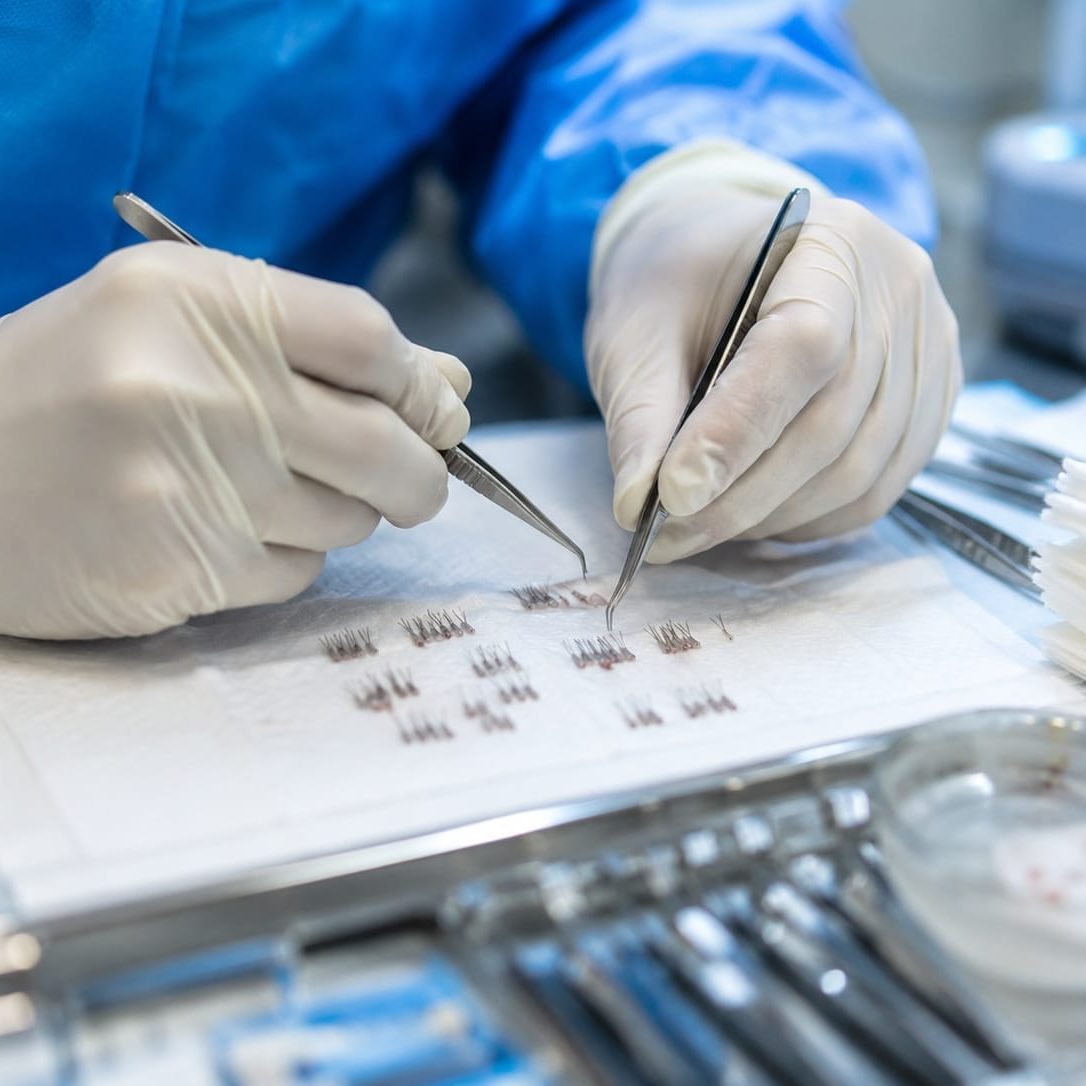
A FUT hair transplant, or follicular unit transplantation, removes a small strip of skin from a hair-bearing area at the back of your scalp. The naturally occurring follicular units in that strip, each a grouping of one to four hairs, are then placed into the areas where you have thinned or gone bald.
The procedure takes about four to eight hours and is done under local anesthesia to numb the scalp. Much of the result comes down to the surgeon dividing the strip into intact follicular units and placing them at a natural angle and density, which is what makes the outcome look like your own hair.
Maximum Coverage in a Single Session
This is where FUT stands apart. It is the most effective way to move a large number of grafts in one procedure, which makes it the strong choice when you have a larger area of loss or want a bigger change in a single pass.
It is an excellent option for male pattern baldness, including a balding crown, where it can achieve coverage and fullness that would take more sessions with other methods. FUT also tends to have a shorter operating time and a lower cost than FUE for the same amount of hair, so you get more coverage for your investment.
FUT Hair Transplant Recovery and Results
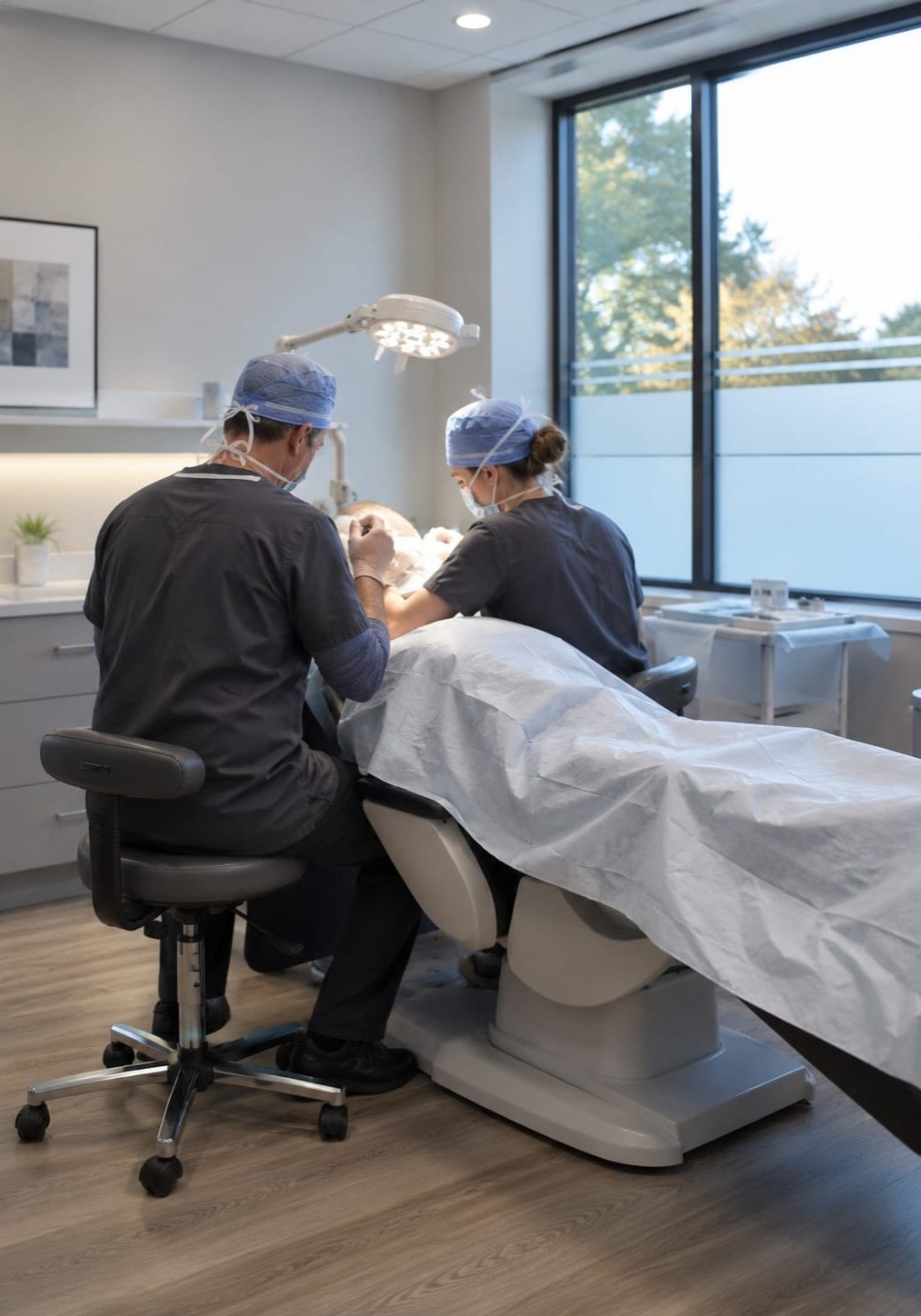
Knowing what to expect makes the whole process easier. Here's how an FUT procedure typically unfolds, from the day of surgery through full regrowth.
4 to 8 hours
Takes about four to eight hours under local anesthesia, with no general anesthesia required.
Simple donor care
Healing takes a little longer than FUE, and the donor line needs simple care as it heals.
Shed, then regrow
It is normal for the transplanted hair shafts to shed before the permanent hairs regrow. You should see initial results within three to four months, with full growth around twelve months.
Is FUT Hair Transplant Right for You?
A strong fit
When FUT shines
FUT is a good fit if you need a large number of grafts and have a donor area with adequate density. It is especially strong for male pattern baldness and for restoring a balding crown.
The honest part
When it might not be
Not everyone losing their hair needs surgery. If you are young or thinning only slightly, a medical approach using our proprietary medications may be the better place to start. There is no cure for common baldness, but these can slow it down. We will give you an honest assessment of where you stand, even if that means recommending something other than surgery.
The Strip Method and the Truth About the Scar
FUT is often called the "strip method," because the follicles are harvested together as a strip rather than removed one at a time. That strip is then dissected under magnification into individual follicular units, and the procedure ends exactly the way FUE does: with those individual follicles implanted one at a time into the recipient area. Harvesting is the only real difference between the two methods.
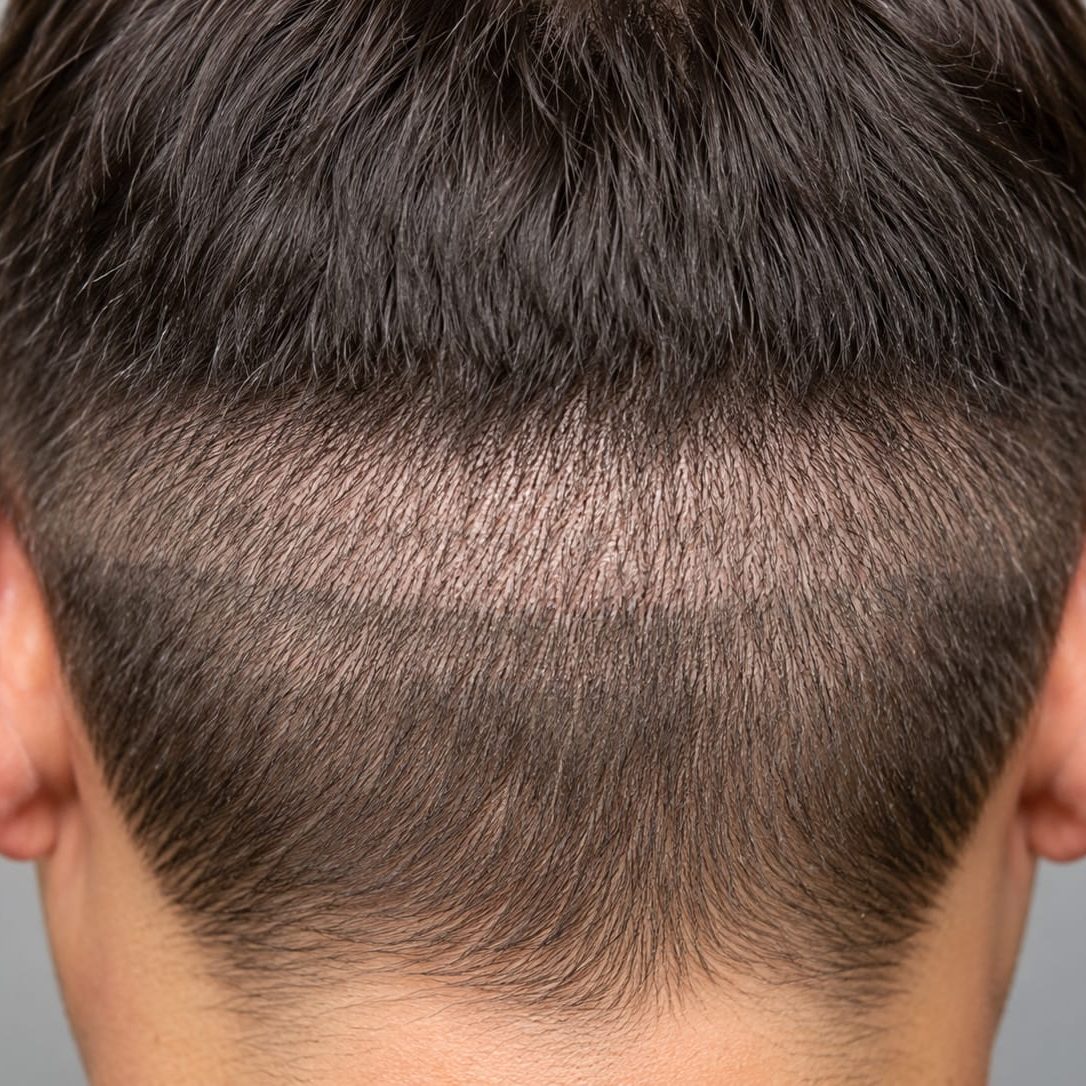
Yes, FUT leaves a scar. It is a single thin, linear line in the donor area at the back of your head. It sits beneath your existing hair and typically cannot be seen once the surrounding hair grows over it. For patients who keep their hair at a normal length, the scar stays hidden.
If you plan to wear your hair very short or shaved, FUE may suit you better, since it leaves tiny dots rather than a line.
Comparing FUT vs. FUE
Every surgical method ends the same way, by placing healthy follicles where you need density. The difference is in how the follicles are harvested.
FUT
Moves the most hair in a single session, has a shorter operating time, is typically less expensive, and leaves a fine linear scar that hides under your hair. It has a somewhat longer healing time.
FUE
Leaves no linear scar, only tiny dots, heals more easily, and offers a no-shave option, but it is a longer and usually pricier procedure for the same number of grafts.
Both are excellent in the right situation. For a full breakdown, see our full FUE vs. FUT guide.
The Science: Why Your Transplanted Hair Lasts
The follicles taken from the back of your scalp keep their ability to grow hair for a lifetime. Because they come from your own scalp, your body cannot reject them, so they survive and thrive once placed in the balding areas.
You do need an adequate amount of your own donor hair, since the process will not work with follicles from someone else, even a family member. A lasting result has to come from your own donor supply.
The Results Speak for Themselves
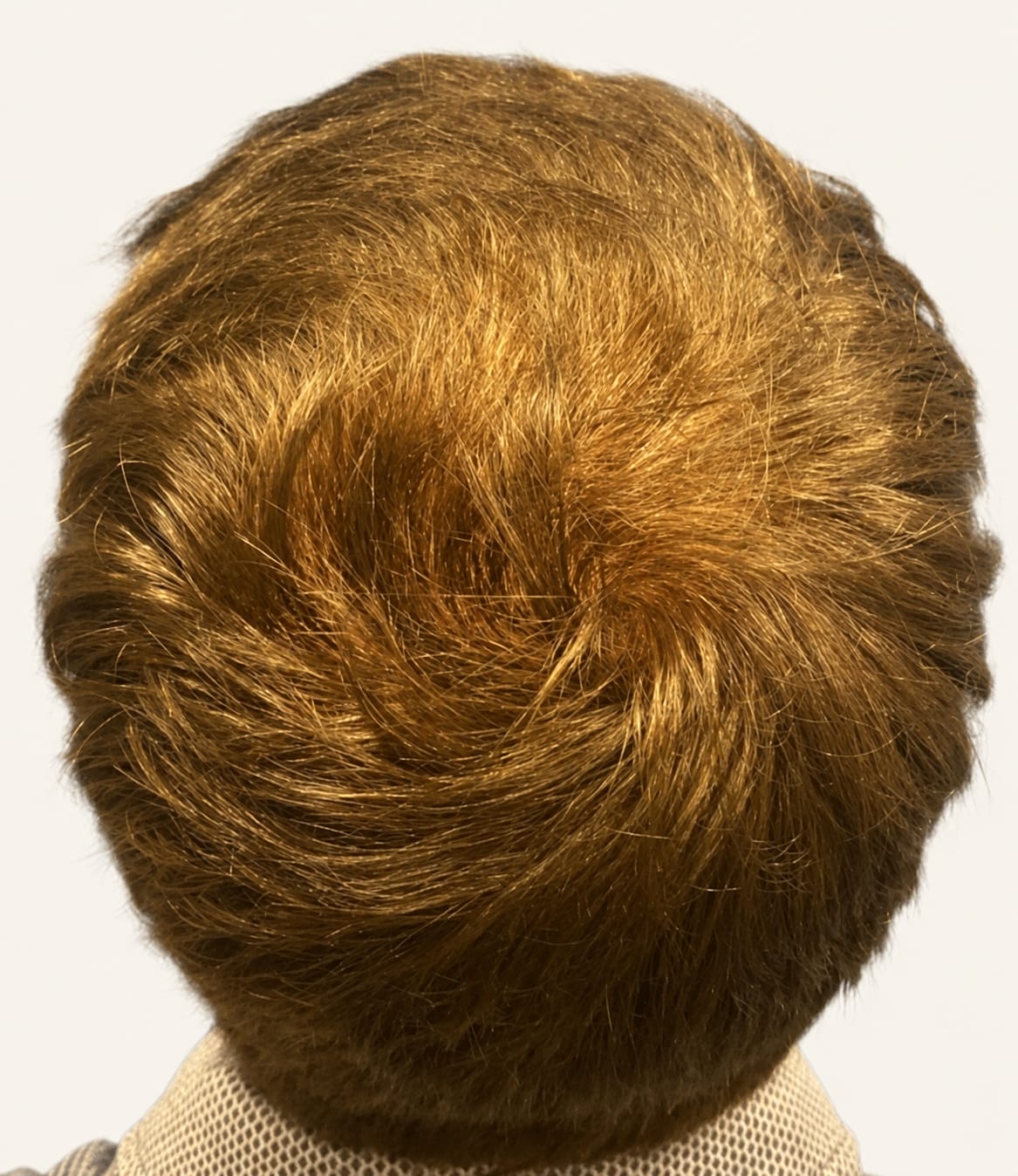
A fuller, natural, well-designed result is absolutely achievable, and FUT gives Dr. Gross a large supply of grafts to work with in a single sitting. While restoring the full density of youth isn't realistic for anyone, results like these speak for themselves. Because hair loss is progressive, a future session may be worthwhile later to add density or address new thinning.
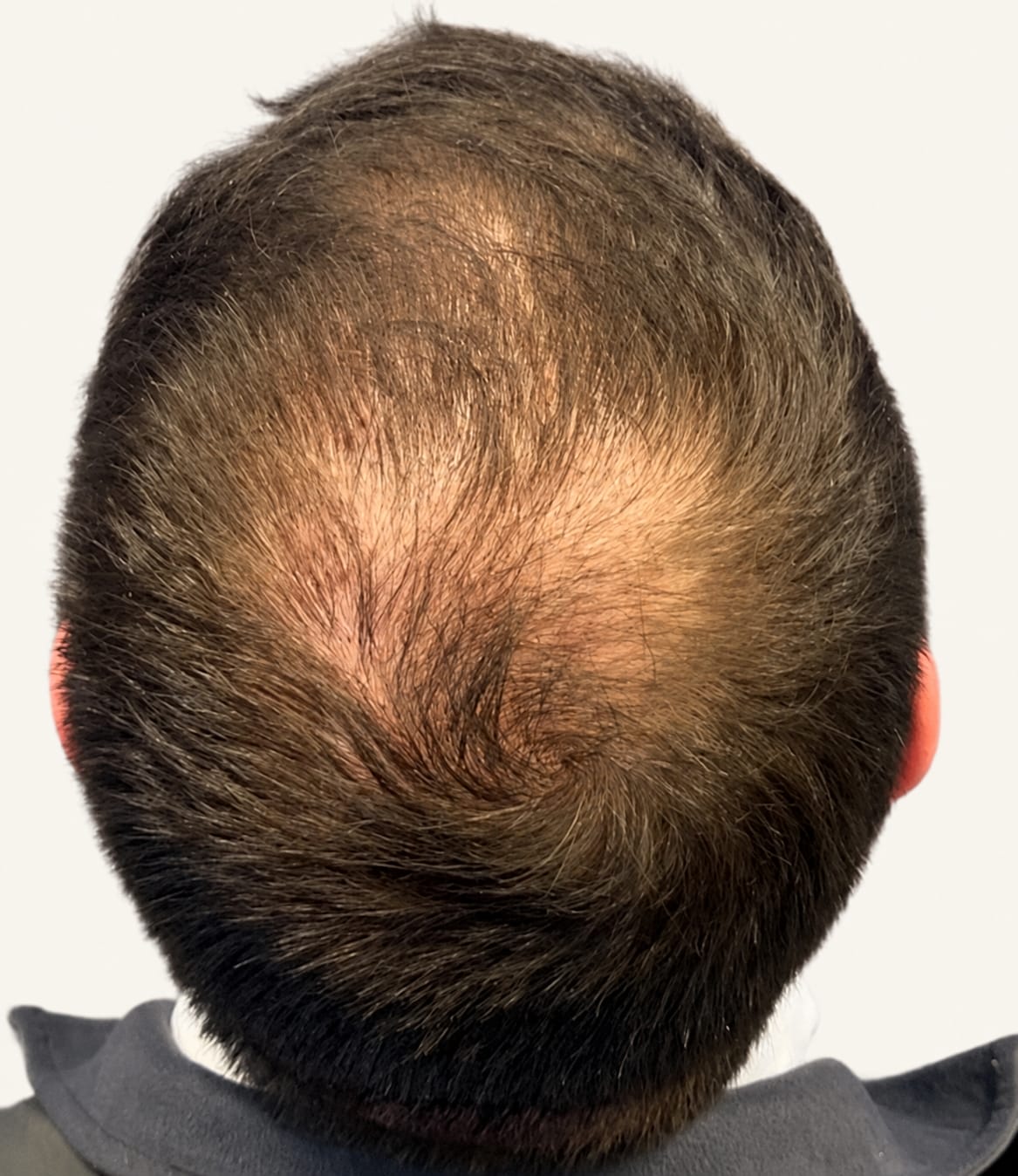
Tailored to your plan
Because every plan is tailored to the individual, the cost of your FUT hair transplant depends on your specific goals and the scope of treatment. FUT is often the most cost-efficient surgical option for a given amount of hair, and we review all of it transparently at your consultation, with no surprises.
To make treatment accessible, we offer financing through Cherry and CareCredit, so you can move forward on a timeline that works for you.


Why Choose Hair Center of Nebraska
FUT Hair Transplant FAQs
FUT leaves a single fine, linear scar in the donor area at the back of your head. It sits under your existing hair and typically cannot be seen once the surrounding hair grows over it. If you plan to wear your hair shaved or very short, FUE may be a better fit.
Find Out if FUT Is Right for You
Not sure which method fits your goals? That is exactly what a consultation is for. In a consultation we will examine your hair loss, walk through your options, and recommend the right approach for you, whether that is FUT, another surgical method, or simply medication to start.
Please complete the form to book a consultation and check availability.